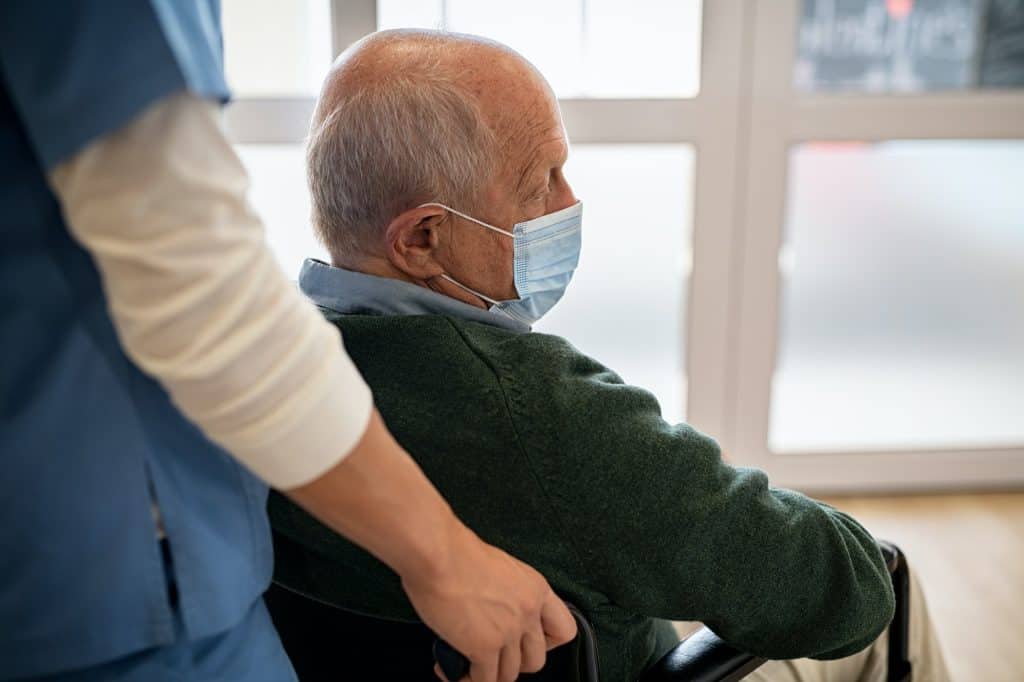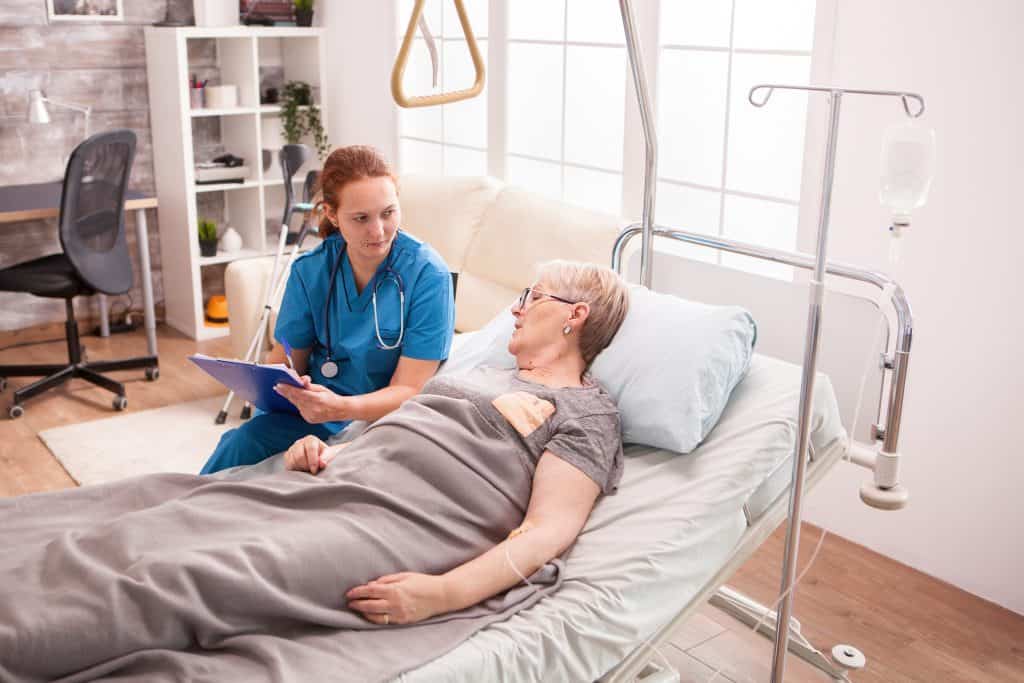




Placing a loved one in a nursing home is one of the most difficult decisions a family can make. You trust that the facility will provide compassionate, professional care—that your parent, grandparent, or spouse will be safe, comfortable, and treated with dignity.
When that trust is betrayed, the consequences can be devastating. Nursing home residents are among the most vulnerable members of our society, often unable to advocate for themselves or even communicate when something is wrong. When facilities fail these vulnerable seniors through neglect, abuse, or substandard medical care, families have the right to seek justice.
If you suspect your loved one has been harmed by nursing home malpractice in New Jersey, this guide will help you understand what constitutes malpractice, how to recognize the warning signs, and what legal options are available to protect your family member and hold negligent facilities accountable.
Understanding Nursing Home Malpractice
Nursing home malpractice occurs when a skilled nursing facility or its staff fails to provide the standard of care required, resulting in harm to a resident. This can include both active abuse and passive neglect—sometimes the most dangerous harm comes not from what staff does, but from what they fail to do.
In New Jersey, nursing homes are heavily regulated and must meet specific standards for resident care, staffing, and safety. When facilities violate these standards and residents are harmed, families can pursue legal claims for malpractice and negligence.
The Legal Standard of Care
Nursing homes owe residents a duty to provide care that meets professionally recognized standards. This includes:
- Adequate supervision and monitoring
- Proper medical treatment and medication management
- Appropriate nutrition and hydration
- Fall prevention and safety measures
- Hygiene and personal care
- Protection from abuse and mistreatment
- Treatment of medical conditions with dignity and competence
When a facility breaches this duty and a resident suffers harm as a result, malpractice has occurred.
Common Types of Nursing Home Malpractice in New Jersey
Nursing home malpractice takes many forms. Understanding these common problems can help you recognize when your loved one may be at risk.
Pressure Ulcers (Bedsores)
Pressure ulcers—commonly called bedsores—are one of the most frequent indicators of nursing home neglect. These painful wounds develop when residents aren’t repositioned regularly, causing constant pressure on skin over bony areas like the tailbone, heels, and hips.
Stages of Pressure Ulcers:
- Stage 1: Reddened skin that doesn’t blanch when pressed
- Stage 2: Partial skin loss with shallow wound
- Stage 3: Full thickness skin loss exposing fat tissue
- Stage 4: Full thickness loss exposing muscle or bone
- Unstageable: Wound covered by dead tissue
Advanced bedsores (Stage 3 and 4) are almost always preventable with proper care. When a resident develops these severe wounds, it typically indicates serious neglect—failure to reposition regularly, inadequate nutrition, poor hygiene, or delayed treatment of early-stage sores.
Severe pressure ulcers can lead to life-threatening infections, sepsis, and death. In New Jersey, the development of advanced bedsores is often strong evidence of nursing home negligence.
Medication Errors
Nursing home residents often take multiple medications for various conditions. Proper medication management is critical, and errors can have serious consequences.
Common medication errors include:
- Wrong medication: Giving a resident someone else’s medication or the wrong drug
- Wrong dosage: Administering too much or too little medication
- Missed doses: Failing to give medications on schedule
- Drug interactions: Not recognizing dangerous combinations of medications
- Allergic reactions: Administering drugs the resident is allergic to
- Over-sedation: Using psychotropic medications inappropriately to control behavior
Medication errors can cause falls, organ damage, dangerous blood pressure changes, cardiac events, and death. Proper systems must be in place to verify medications, and nursing staff must be adequately trained and supervised.
Fall Injuries
Falls are a leading cause of injury and death among nursing home residents. While not every fall indicates malpractice, facilities have a duty to assess fall risk and implement appropriate precautions.
Negligence may be involved when:
- The resident was known to be a fall risk but precautions weren’t taken
- Bed alarms or chair alarms weren’t used when needed
- Call lights went unanswered, leading the resident to try to move independently
- The environment was unsafe (wet floors, poor lighting, obstacles)
- The resident wasn’t supervised during transfers
- Staff was inadequate to provide proper monitoring
- Fall risk assessments weren’t properly conducted
Fall injuries in elderly residents can be catastrophic, leading to hip fractures, traumatic brain injuries, and complications that ultimately prove fatal.
Malnutrition and Dehydration
Proper nutrition and hydration are fundamental to resident health. Neglected residents may not receive adequate food and water, leading to:
- Dangerous weight loss
- Weakened immune system
- Delayed wound healing
- Increased fall risk
- Confusion and cognitive decline
- Urinary tract infections
- Organ failure
Some residents need assistance eating due to physical or cognitive limitations. When staff doesn’t provide this assistance—whether due to understaffing or neglect—residents suffer preventable malnutrition and dehydration.
Infections and Poor Hygiene
Nursing home residents are vulnerable to infections, and facilities must maintain proper hygiene and infection control. Negligence can lead to:
- Urinary tract infections: Often caused by improper catheter care or inadequate hydration
- Respiratory infections: Including pneumonia, which can be deadly in elderly residents
- Skin infections: Resulting from poor hygiene or untreated wounds
- Sepsis: A life-threatening response to infection that can develop when infections aren’t promptly treated
Poor hygiene—leaving residents in soiled clothing or bedding, inadequate bathing, or failure to maintain clean environments—can lead to serious infections and is a clear sign of neglect.
Wandering and Elopement
Residents with dementia or cognitive impairment may wander and become disoriented. Facilities must implement appropriate safeguards to prevent residents from leaving unsupervised (elopement), which can lead to:
- Exposure to extreme temperatures
- Traffic accidents
- Falls and injuries
- Getting lost and unable to find help
- Death
Proper security measures, supervision, and monitoring are essential for cognitively impaired residents. Failure to provide these safeguards is negligence.
Physical and Emotional Abuse
While less common than neglect, outright abuse does occur in some nursing homes. This includes:
- Physical abuse: Hitting, pushing, rough handling, inappropriate restraints
- Emotional abuse: Yelling, threatening, humiliating, isolating residents
- Sexual abuse: Any unwanted sexual contact
- Financial exploitation: Stealing money or property from residents
Signs of abuse may include unexplained injuries, fearfulness around certain staff members, sudden changes in behavior, or reluctance to speak openly.
Understaffing: The Root of Many Problems
Many nursing home problems trace back to one core issue: inadequate staffing. When facilities don’t employ enough qualified nurses and aides, residents don’t receive proper care.
Understaffing leads to:
- Delayed response to call lights
- Insufficient time for repositioning, feeding, and hygiene
- Missed medications or rushed administration
- Inadequate supervision
- Staff burnout and errors
New Jersey has minimum staffing requirements for nursing homes, but many facilities operate at bare minimums or below. When staffing levels are inadequate to provide proper care, the facility is liable for resulting injuries.
Warning Signs of Nursing Home Malpractice
Recognizing warning signs early can help you protect your loved one. Watch for:
Physical Signs:
- Unexplained bruises, cuts, or injuries
- Bedsores or skin breakdown
- Sudden weight loss
- Signs of dehydration (dry mouth, confusion, dark urine)
- Poor hygiene (body odor, dirty clothes, unkempt appearance)
- Untreated medical conditions
Environmental Signs:
- Dirty or unsanitary conditions
- Strong odors of urine or feces
- Inadequate staffing (long wait times, unanswered call lights)
- High staff turnover
- Residents left alone for long periods
Behavioral Signs:
- Withdrawal or depression
- Fear or anxiety around certain staff
- Reluctance to speak openly
- Sudden changes in behavior or personality
- Agitation or confusion (beyond baseline)
Documentation Signs:
- Incomplete or altered medical records
- Resistance to sharing records with family
- Discrepancies between what you observe and what staff reports
New Jersey Nursing Home Regulations
New Jersey has comprehensive regulations governing nursing home care. The Department of Health conducts inspections and can cite facilities for violations. Key regulatory requirements include:
- Minimum staffing ratios for nurses and aides
- Requirements for care planning and assessment
- Resident rights protections
- Infection control protocols
- Safety and emergency preparedness standards
Regulatory violations documented in state inspection reports can be powerful evidence in malpractice cases. These reports are public records and available through the New Jersey Department of Health or Medicare’s Nursing Home Compare website.
Proving Nursing Home Malpractice in New Jersey
To succeed in a nursing home malpractice claim, you must prove the same elements required in other medical malpractice cases:
1. Duty of Care
The facility owed your loved one a duty to provide adequate care. This is established by the resident’s admission to the facility.
2. Breach of Duty
The facility or its staff failed to meet the applicable standard of care. This might involve showing violations of regulations, industry standards, or generally accepted practices.
3. Causation
The breach directly caused your loved one’s injury. You must connect the facility’s failures to the specific harm suffered.
4. Damages
Your loved one suffered actual harm—physical injuries, pain and suffering, medical expenses, or wrongful death.
The Affidavit of Merit
Like all New Jersey medical malpractice cases, nursing home malpractice claims require an Affidavit of Merit from a qualified medical expert within 60 days of the defendant’s answer. This expert must confirm the care provided fell below acceptable standards.
Damages Available in Nursing Home Cases
Successful nursing home malpractice claims can recover compensation for:
For the Resident:
- Medical expenses for treating injuries
- Pain and suffering
- Emotional distress
- Loss of quality of life
- Disfigurement (from bedsores or injuries)
In Wrongful Death Cases:
- Funeral and burial expenses
- Medical expenses before death
- Pain and suffering experienced before death
- Loss of companionship for surviving family members
New Jersey does not cap damages in malpractice cases, allowing full compensation for even the most severe injuries.
What to Do If You Suspect Nursing Home Malpractice
If you believe your loved one is being mistreated or has been harmed:
1. Ensure Immediate Safety: If your loved one is in immediate danger, consider emergency medical care or transfer to another facility.
2. Document Everything: Take photographs of injuries, living conditions, and any concerning findings. Keep detailed notes with dates and times.
3. Request Medical Records: You (or your loved one, or their legal representative) have the right to complete medical records, including nursing notes, medication administration records, and incident reports.
4. Report to Authorities: File complaints with the New Jersey Department of Health and the Long-Term Care Ombudsman. These agencies investigate complaints and can take action against facilities.
5. Consult an Attorney: Nursing home malpractice cases are complex and time-sensitive. An experienced attorney can investigate your concerns, preserve evidence, and advise you on legal options.
Protecting Your Loved One
Families play a crucial role in protecting nursing home residents. Visit frequently and at varying times. Get to know the staff. Ask questions about your loved one’s care. Review medical records regularly. Trust your instincts—if something seems wrong, investigate further.
Your loved one deserves dignified, competent care. When nursing homes fail to provide that care, holding them accountable not only helps your family but can drive improvements that protect other vulnerable residents.
—
Contact Gencarelli & Rimmassa Law Firm
If your loved one has suffered harm due to nursing home malpractice or neglect in New Jersey, the compassionate attorneys at Gencarelli & Rimmassa Law Firm are here to help. We understand how devastating it is to learn that someone you entrusted with your family member’s care has failed them.
Our team has extensive experience investigating nursing home abuse and neglect cases throughout New Jersey. We know how to obtain records, work with medical experts, and build strong cases against negligent facilities. We work on a contingency fee basis—you pay nothing unless we recover compensation for your family.
Your loved one’s suffering should not go unanswered. Contact Gencarelli & Rimmassa today for a free, confidential consultation. We’ll listen to your concerns, review the evidence, and help you understand your legal options.
Call (201) 549-8737 today for your free case evaluation. Time limits apply to nursing home malpractice claims—act now to protect your loved one’s rights and hold negligent facilities accountable.